01
Biodiversity and cortisol
Peer-reviewed research documents measurable reductions in cortisol, the primary stress hormone, in high-biodiversity natural environments. Colombia has more of those environments than almost anywhere on earth.
A destination guide for the patient who has already decided, and is now asking the deeper question: what will it actually feel like to be here, and why does that matter as much as the procedure itself?
There is a version of Colombia that most visitors carry, assembled from news cycles of another era, geography they have never visited, and an assumption that world-class medicine belongs only in cities they already know. That version is wrong. And the gap between what people expect and what they find is, in our experience, one of the most consistently moving moments of every patient's journey.
Colombia is the second most biodiverse country on Earth. Its altitude gradients compress a full range of climates and ecosystems into distances that, elsewhere, would take continents. Its people carry a warmth that is not a hospitality posture, it is a cultural fact, documented by every patient who has arrived anxious and left, as they almost always do, wishing they had come sooner.
"The medicine here is exceptional. But what changes people is the place. Colombia does something to the nervous system that no clinical environment can replicate, and that is not a poetic claim. It is what the science of JOY increasingly confirms."
Its hospitals are not a compromise. Our hospital partners hold JCI Gold accreditation, one of the highest standards in global healthcare, and deliver outcomes in cardiology, oncology, and orthopedics that rival any institution in North America. The surgeons trained at the same institutions. The equipment is the same. The difference is the cost, the warmth, and the world that surrounds the procedure.
Peer-reviewed research documents measurable reductions in cortisol, the primary stress hormone, in high-biodiversity natural environments. Colombia has more of those environments than almost anywhere on earth.
Stays at Andean elevations trigger increased red blood cell production and improved oxygen efficiency, adaptations that persist for weeks after return and meaningfully support post-procedure recovery.
Colombia's mineral-rich thermal springs carry anti-inflammatory properties studied in European hydrotherapy literature for over a century. The mechanisms are documented. The experience is extraordinary.
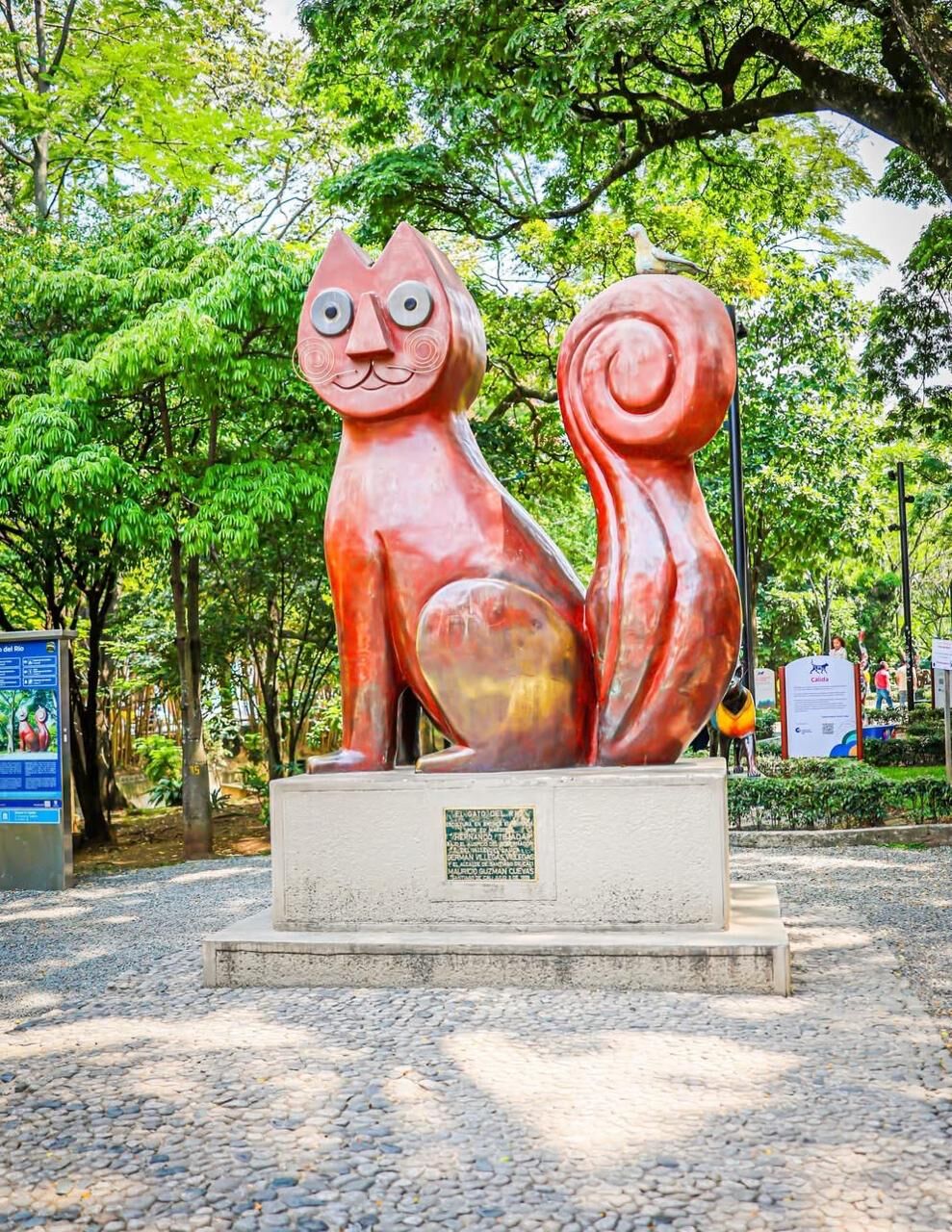
In Cali, THTC works with two primary clinical partners: Fundación Valle del Lili and Clínica Imbanaco. Both hold JCI Gold accreditation and are widely recognized among Latin America's leading hospitals. A masterclass in clinical curation, orchestrating complex care across cardiology, oncology, orthopedics, and urology with flawless, high-stakes precision. Care is delivered to international standards by surgical and specialist teams trained at leading institutions, including many of the same institutions as their North American counterparts.
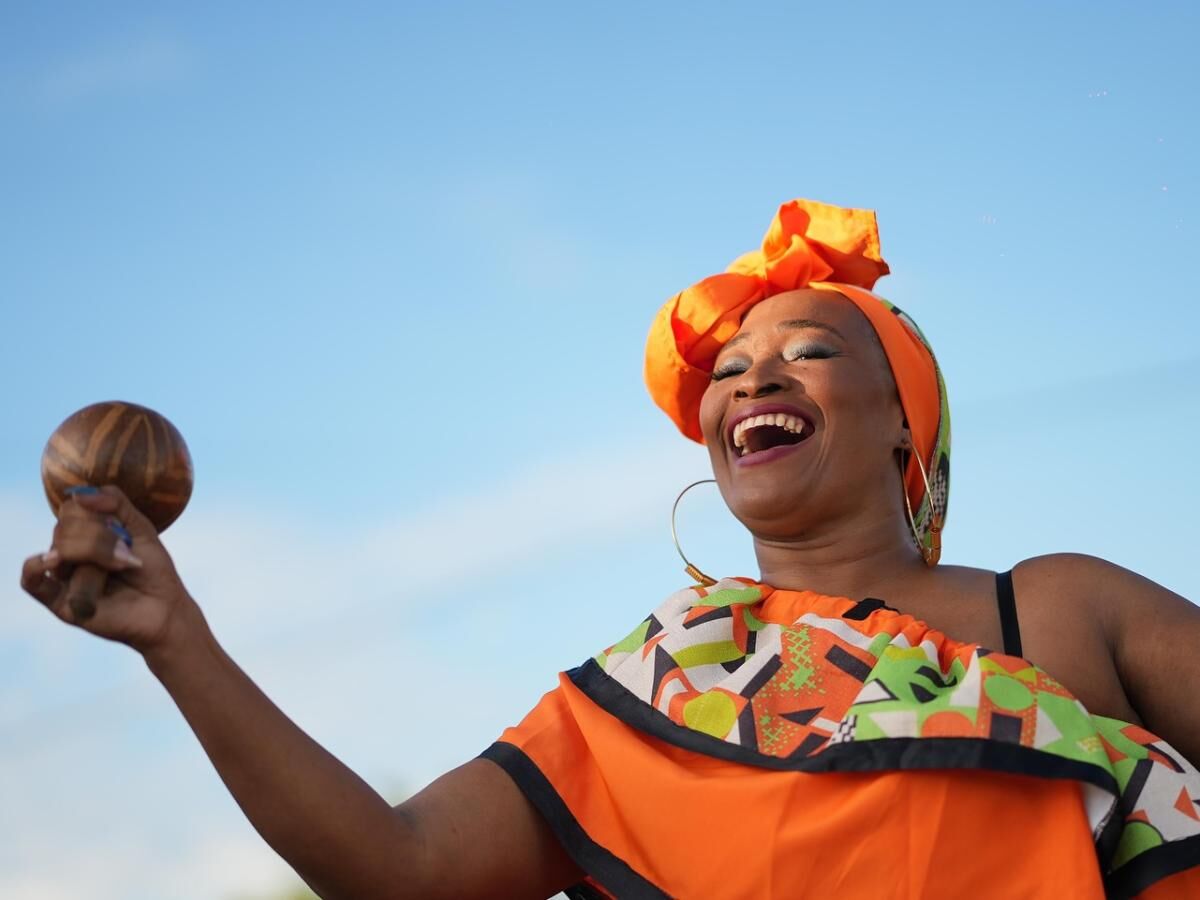
Cali is Colombia's third city and its most alive, the birthplace of salsa, home to an Afro-Colombian Pacific culture that pulses through its food, music, and streets. It is warm in every sense: the climate, the people, the pace. Patients who come for a procedure stay for the city.
Pilar is embedded in Cali. Not visiting, living. She knows the surgical teams, the hotels, and the restaurants where recovery feels like pleasure. The concierge advantage here is not coordination from a distance. It is intimacy with a place.
Cali is THTC's birthplace and the clearest expression of the Invisible Hand philosophy. As Colombia's second-leading medical tourism destination, it offers a patient experience in which every detail is known, coordinated, and accompanied. THTC manages the journey; Cali provides the warmth, rhythm, and sense of place.
Our curated experiences. Each is designed with the same precision we bring to every patient, and the same knowledge that Colombia is unlike anywhere else on earth.